Ellis Werner · 14 September 2026
Strategies for Sustaining Income Streams During SaaS Platform Transitions
Understanding Platform Transitions in SaaS Environments
Organizations that rely on software as a service platforms encounter transitions when providers update infrastructure, merge services, or shift to new architectures, and these changes often affect recurring revenue models through temporary service gaps or altered billing cycles. Data from industry reports shows that migrations completed without parallel systems in place lead to higher churn rates among customers who depend on uninterrupted access. Companies typically schedule these transitions during low-usage periods while maintaining data integrity through staged rollouts that preserve subscription continuity.
September 2026 brought increased attention to transition planning after several major providers announced infrastructure consolidations that impacted thousands of enterprise accounts simultaneously. Observers note that firms with documented contingency protocols experienced fewer interruptions to their income streams during that period because they activated backup providers ahead of scheduled downtime windows.
Mapping Revenue Dependencies Before Migration Begins
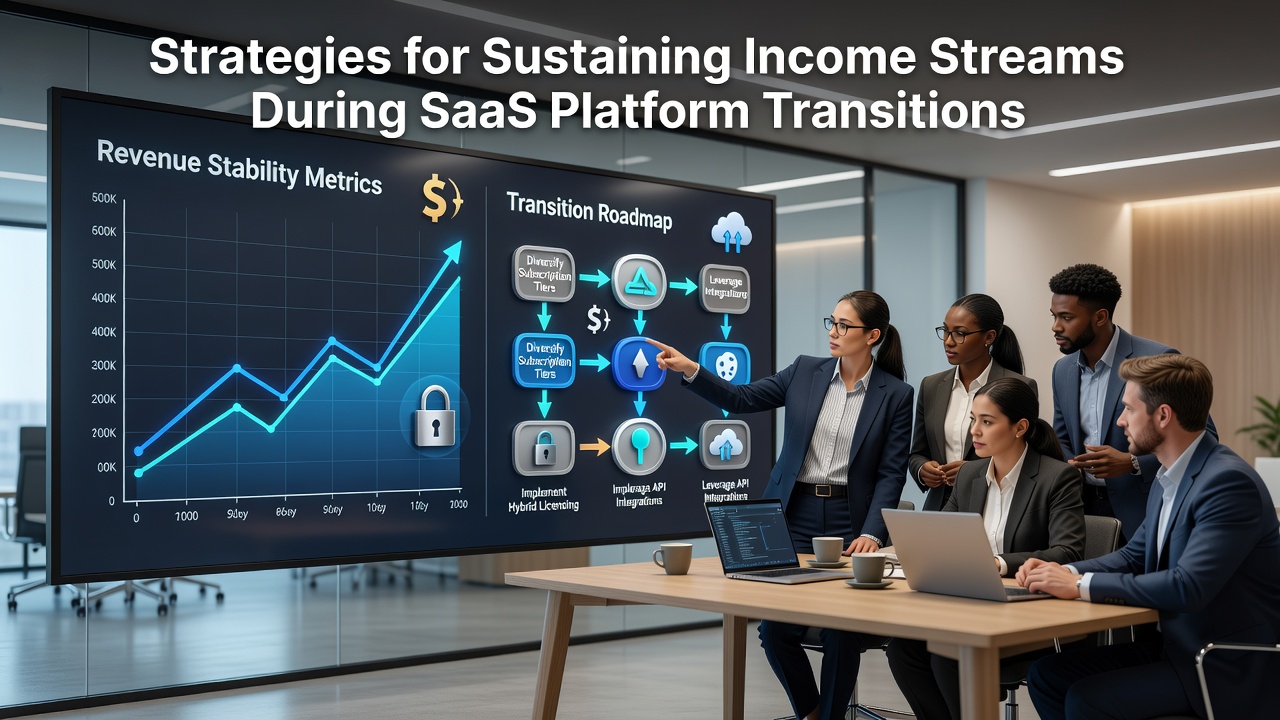
Teams begin by cataloging all income sources tied to the current platform including subscription tiers, usage-based fees, and add-on modules, then they identify which elements face direct exposure during the shift to a new environment. This mapping process reveals single points of failure where a service outage could halt billing for specific customer segments. Researchers at multiple institutions have documented that organizations completing such audits prior to transition reduce revenue leakage compared with those that address issues reactively.
Parallel tracking systems allow continuous monitoring of active subscriptions while the migration occurs, and automated alerts notify administrators when usage metrics deviate from established baselines. Those who've studied successful cases report that combining these alerts with customer communication plans helps retain accounts that might otherwise pause payments during uncertainty.
Implementing Parallel Operations to Protect Cash Flow
Running legacy and new platforms concurrently creates a buffer that sustains income while teams verify data accuracy and feature parity in the target environment. This approach requires careful resource allocation yet prevents complete revenue halts when legacy systems deactivate. Evidence suggests that companies allocating at least four weeks of overlap maintain higher customer retention because users experience no perceptible change in service delivery.
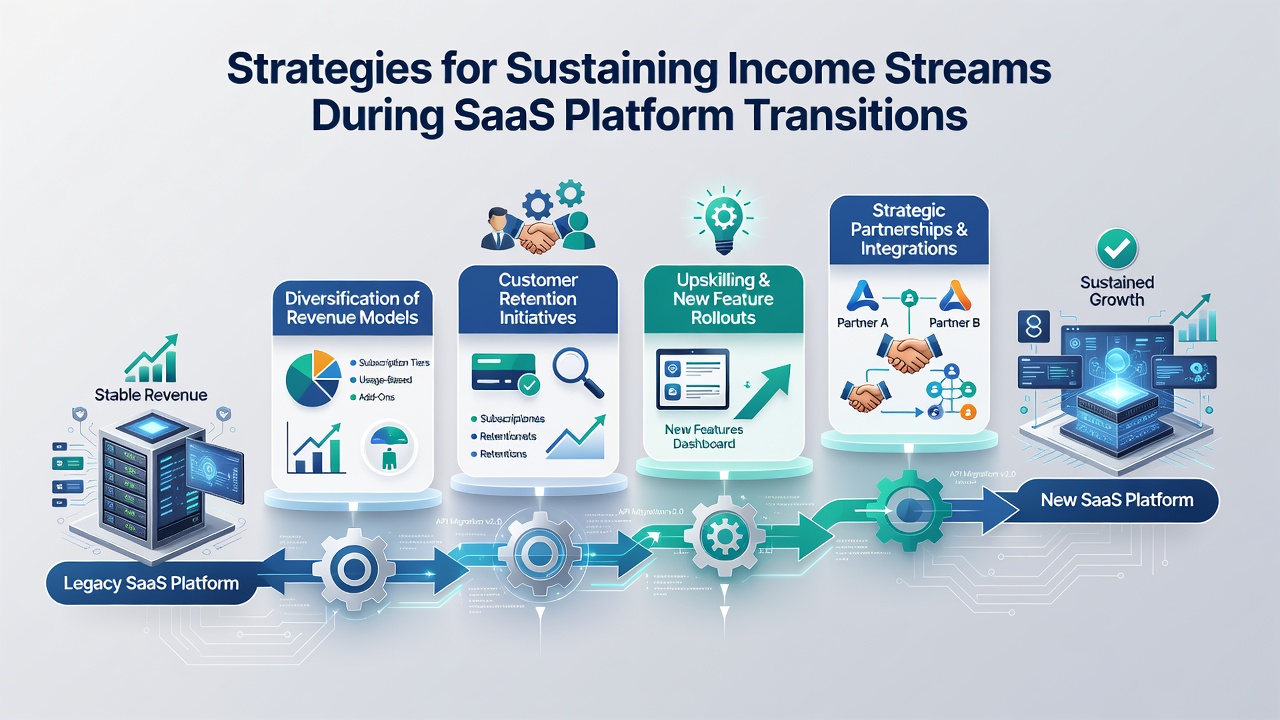
Financial controllers often establish separate tracking codes for each platform during this window so that revenue attribution remains clear even as accounts transfer. The process also incorporates fallback mechanisms that automatically reroute traffic if the new platform encounters unexpected latency or errors, thereby protecting the continuity of billed services.
Customer Communication and Contract Adjustments
Clear notifications sent well in advance of transition dates inform customers about expected timelines and any temporary access procedures, which reduces support ticket volume and preserves renewal rates. Contract reviews identify clauses that address service continuity and allow for prorated adjustments when migrations extend beyond initial estimates. Studies indicate that proactive outreach correlates with lower voluntary churn because subscribers feel informed rather than surprised by changes.
Some organizations introduce loyalty incentives such as extended trial periods on the new platform or temporary discounts on upgraded tiers, and these measures offset potential short-term revenue dips. Data shows that structured communication combined with flexible contract terms leads to smoother account migrations across different geographic markets.
Leveraging Analytics for Ongoing Revenue Oversight
Post-transition analytics platforms track key metrics including monthly recurring revenue, customer lifetime value, and churn velocity in real time, enabling rapid response to any emerging shortfalls. Integration of these tools with the new SaaS environment provides visibility into usage patterns that might signal future income risks. According to Gartner research, organizations that embed analytics early in the migration process achieve faster stabilization of revenue streams.
Additional oversight comes from third-party benchmarking services that compare performance against industry averages, highlighting areas where income protection measures require refinement. This continuous feedback loop supports adjustments that keep subscription inflows aligned with pre-transition projections.
Conclusion
Effective strategies for sustaining income during SaaS platform transitions center on thorough preparation, parallel operations, transparent customer engagement, and persistent analytics monitoring. Organizations that apply these methods report more stable revenue outcomes even when facing complex migrations. The approaches outlined here draw from documented patterns across multiple transition events, offering practical steps that maintain financial continuity while platforms evolve.