
Alex Griffin · 28 September 2026
Navigating Data Integrity Protocols in Resource Tracking Systems for Emerging Digital Platforms
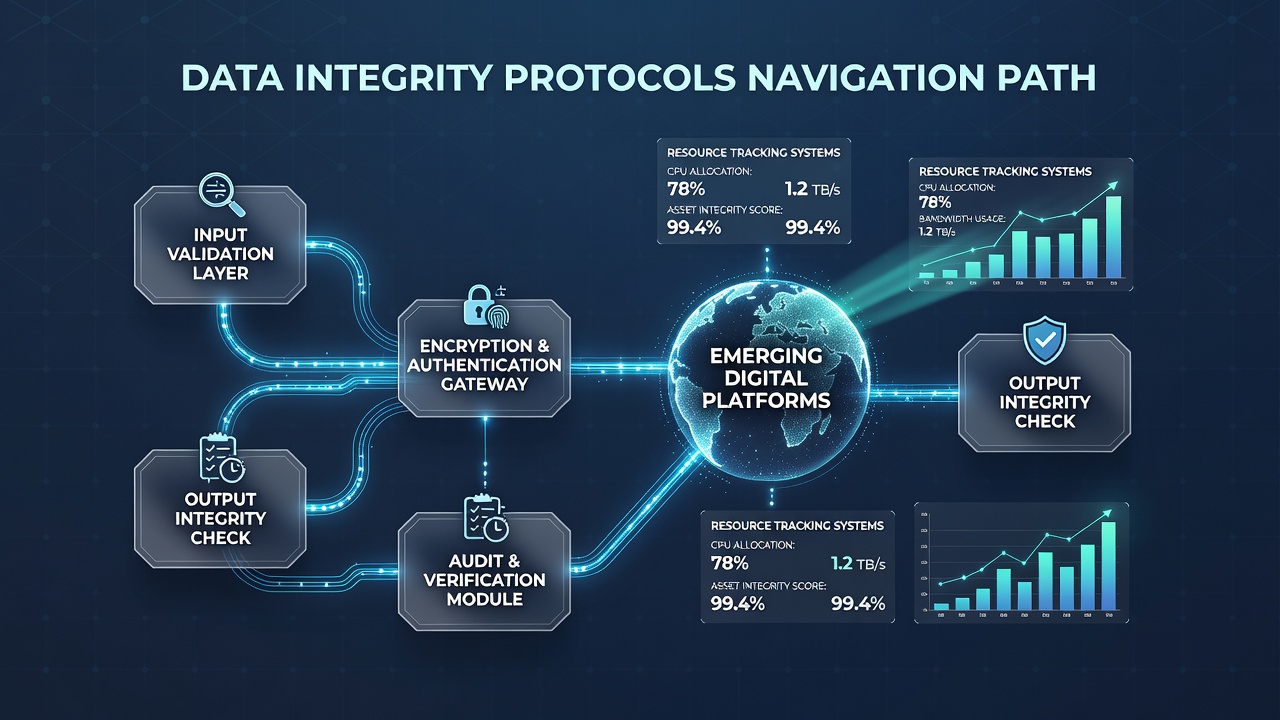
Resource tracking systems in emerging digital platforms rely on structured protocols that maintain accuracy across distributed datasets, and observers note these protocols combine cryptographic verification methods with real-time auditing mechanisms to prevent unauthorized alterations during data transfers. Research indicates that platforms handling inventory, user assets, or computational resources implement hash-based checks at each transaction point, which allows systems to detect discrepancies before they propagate through larger networks. Data shows that organizations adopting these layered approaches experience fewer integrity failures compared to those relying solely on traditional database constraints.
Core Components of Data Integrity Protocols
Protocols typically incorporate blockchain-inspired ledgers alongside conventional relational databases, and experts observe that this hybrid structure supports both immutability for critical records and flexibility for high-volume updates. Studies from institutions like the National Institute of Standards and Technology reveal that checksum algorithms combined with digital signatures form the foundation for verifying resource states at rest and in transit. Those who've examined platform architectures find that access control lists tied to multi-factor authentication further reduce the risk of tampering by limiting write permissions to authorized nodes only.
Validation routines run at scheduled intervals, while continuous monitoring tools flag anomalies as they occur, and researchers discovered that integrating machine learning models into these routines helps predict potential integrity breaches based on usage patterns observed across similar platforms. According to reports from the European Data Protection Board, platforms operating in regulated sectors must align these technical measures with broader compliance frameworks that mandate regular third-party audits.
Implementation Challenges Across Emerging Platforms
Scalability remains a primary concern when platforms expand user bases rapidly, and evidence suggests that increased transaction volumes can strain verification processes if protocols lack sufficient parallel processing capabilities. Observers note that latency introduced by integrity checks sometimes conflicts with user expectations for instantaneous updates, prompting developers to optimize consensus algorithms without compromising verification thoroughness. What's interesting is how certain platforms address this by segmenting data into priority tiers, where high-value resources undergo more rigorous checks while routine entries use streamlined methods.
Interoperability between different platform ecosystems adds another layer of complexity, since mismatched protocol standards can create gaps where data integrity might be questioned during cross-system exchanges. Figures from academic studies at institutions such as the University of Melbourne indicate that standardized APIs help bridge these gaps, yet adoption rates vary significantly depending on regional regulatory environments. And platforms entering new markets in September 2026 will likely encounter updated guidelines from bodies like the Australian Digital Health Agency that emphasize enhanced traceability for resource movements.
Case Examples and Observed Outcomes
One documented implementation involved a logistics platform that integrated distributed ledger technology with existing enterprise resource planning software, and results showed a measurable drop in disputed asset records over a twelve-month period. People who've analyzed similar deployments report that automated reconciliation processes reduced manual intervention by a substantial margin, freeing staff to focus on higher-level system improvements. Another instance from a content distribution network demonstrated how periodic snapshot verifications combined with real-time hashing prevented duplication errors during peak traffic events.
Regulatory filings from Canadian authorities highlight platforms that successfully passed integrity audits after adopting comprehensive logging practices that capture every modification attempt with timestamps and user identifiers. Turns out these logs also serve as valuable resources for forensic analysis when discrepancies do surface, allowing teams to trace issues back to their origin points efficiently.
Strategies for Maintaining Protocol Effectiveness
Regular training programs for technical teams ensure that protocol updates are implemented consistently, and data from industry reports shows that organizations investing in such programs encounter fewer post-deployment issues. Platforms also benefit from establishing clear escalation paths for integrity alerts, which enables rapid response before minor discrepancies escalate into larger problems. Researchers have observed that incorporating feedback loops from end-users into protocol refinement cycles leads to more practical adjustments that align with actual usage conditions.
Encryption standards continue to evolve, and platforms that stay current with recommendations from sources like the OECD digital economy papers maintain stronger defenses against emerging threats. Those monitoring developments note that September 2026 may bring revised encryption benchmarks that affect how resource tracking systems handle long-term data retention.
Conclusion
Effective navigation of data integrity protocols in resource tracking systems requires ongoing attention to both technical specifications and regulatory alignment, and platforms that integrate verification at multiple layers demonstrate greater resilience against integrity threats. Evidence continues to accumulate showing that proactive adoption of evolving standards supports reliable operations as digital environments grow more interconnected. Observers expect further refinements in these areas as new platforms emerge and existing ones scale their resource management capabilities.